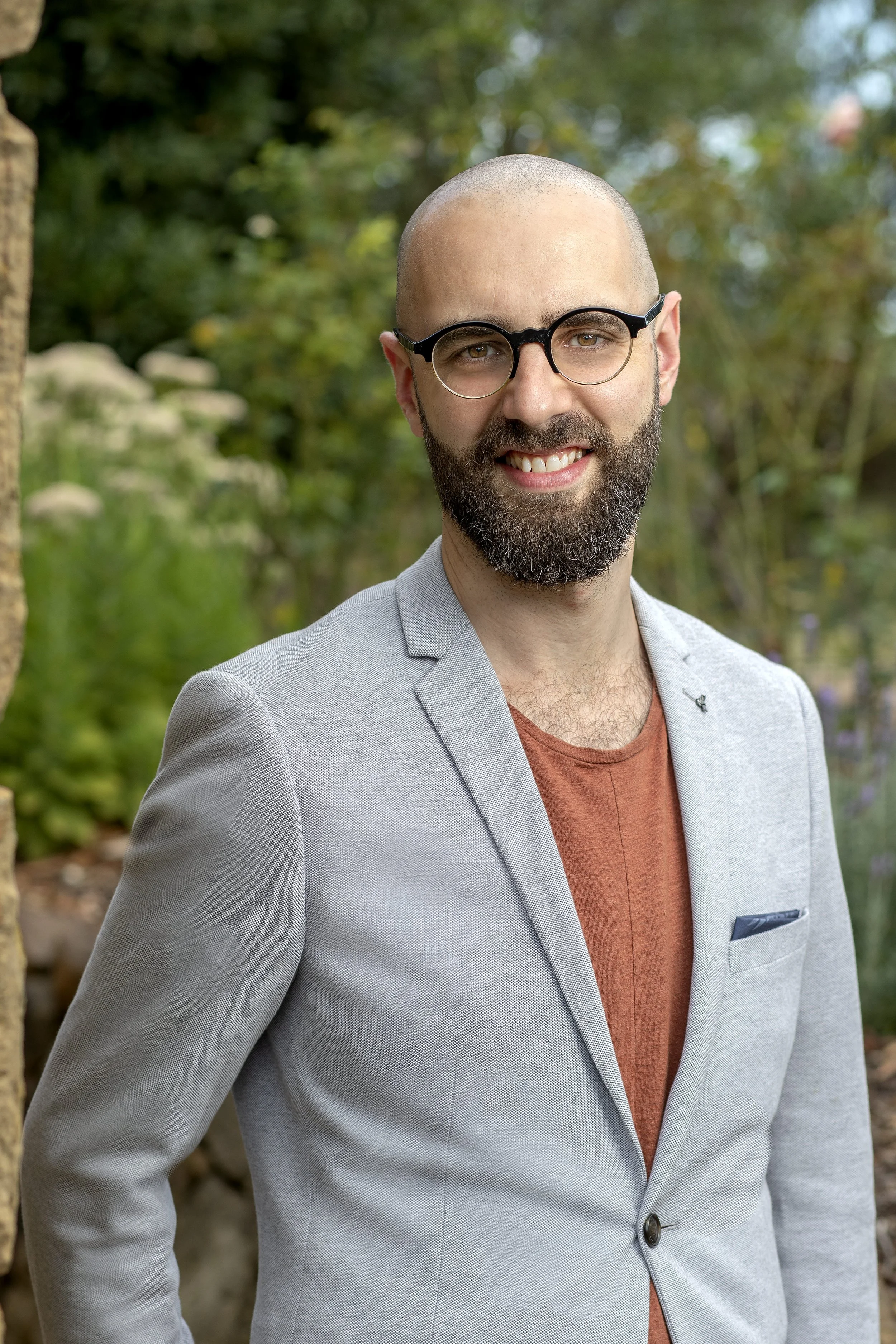
I have spent a long time working alongside organisations trying to do something genuinely difficult — not technically difficult, but difficult in the sense of attempting something new when the existing models were no longer adequate. Organisations that knew their ways of working had reached their limits but could not yet see what lay on the other side of that recognition. That gap — between the ambition to change and the relational conditions that make change possible — is where A Deeper Ground was formed.
Some of the most important work came from working with networked organisations and communities trying to grow beyond what their original design could support — whose culture and ethos were genuinely distinctive, but whose governance and ways of working had become misaligned with what they had grown into. And some of the most formative came from engagements that did not succeed — where the learning work went well but the relationships were too damaged to hold what was required. I learned more from those than from the ones that worked.
Other experiences came from working alongside communities exploring questions of governance, culture, and relationship in support of self-determination. I learned there that governance and culture are not separate questions, and that the quality of relationships between people is not incidental to the work - the relationships are the work. You cannot build genuine capacity on damaged relational ground, no matter how well-designed the structure above it.
And then there are the organisations who want to try something different, something that, if successful, would take their organisation or program in a new direction, something that requires the space for prototyping, learning, and then refinement into a new arena. The foundational layers - of relationships and learning together - are just as important for these grand ambitions.
The intellectual formation behind the work draws on Gregory Bateson's ecology of mind, Nora Bateson's concept of symmathesy, and the organisational learning traditions of Chris Argyris and Donald Schön. These are not frameworks applied from outside. They are the lenses through which I make sense of what I have seen in organisations — why the work is as difficult as it is, and what it actually requires. They do not explain what I have seen so much as give it a shape I can work with.
A Deeper Ground is a small practice by design. The work requires a quality of presence and relational attention that cannot be scaled without being changed. I work with a small number of organisations at any given time — and part of the first conversation is always working out together whether the conditions for genuine learning partnership are present. That inquiry is itself where the work begins.
Marty Bortz